
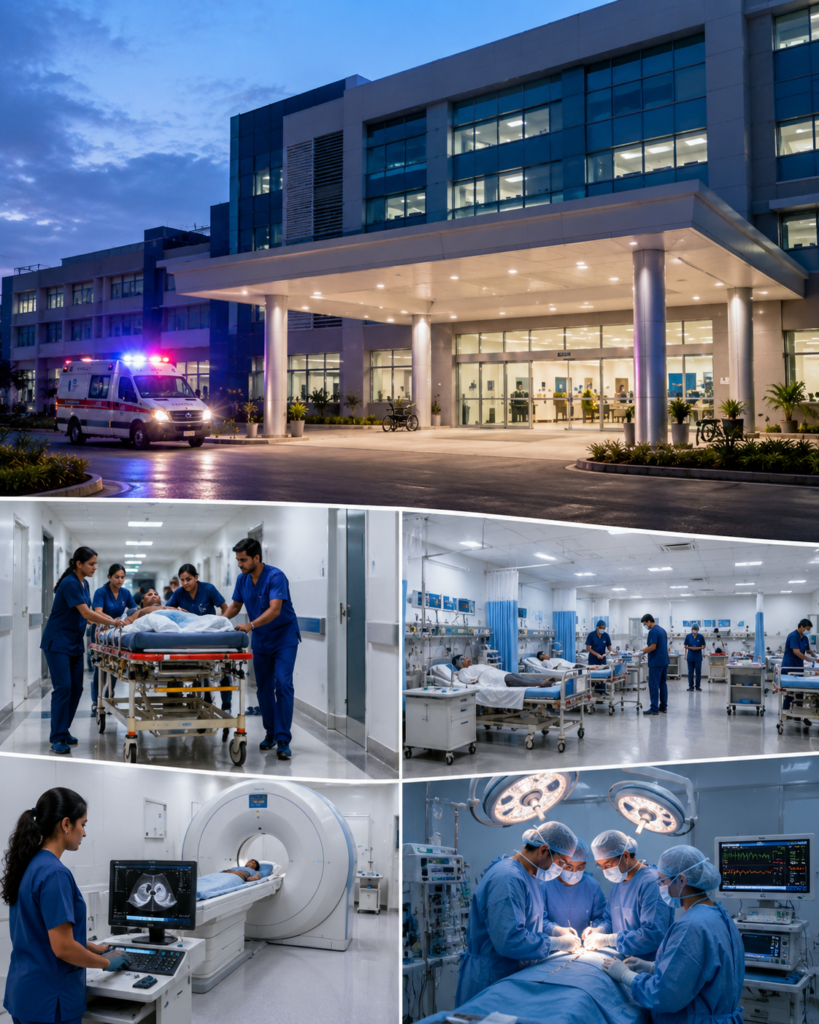
Emergency Hospitals Open 24 Hours in Madurai – Essential Guide for Emergency Medical Care
Medical emergencies can happen unexpectedly, and immediate access to healthcare can make a critical difference. Whether it’s a sudden illness, accident, cardiac emergency, stroke, or severe injury, 24-hour emergency hospitals play a vital role in providing timely treatment and life-saving care. Madurai, one of South India’s major healthcare hubs, offers a robust network of hospitals and emergency medical services that operate around the clock.
This guide explains the importance of emergency healthcare services, what facilities are typically available, and how residents can be better prepared during medical emergencies.
Why 24-Hour Emergency Hospitals Are Important
Emergency departments are designed to handle urgent medical conditions that require immediate attention. Unlike routine outpatient services, emergency units operate continuously and are staffed by trained healthcare professionals ready to respond at any hour.
Prompt medical intervention can significantly improve outcomes in cases involving:
- Heart attacks
- Stroke
- Severe injuries
- Road traffic accidents
- Breathing difficulties
- Poisoning
- Sudden loss of consciousness
- Severe allergic reactions
- Burns and trauma
- Pediatric emergencies
Access to emergency care during the critical first hour often plays a major role in patient recovery.
Common Services Available in Emergency Hospitals
Most modern emergency hospitals in Madurai provide comprehensive medical support through specialized emergency departments.
Emergency Medical Care
Emergency physicians assess and stabilize patients with acute medical conditions, ensuring immediate treatment and monitoring.
Trauma and Accident Care
Trauma units are equipped to manage injuries resulting from:
- Road accidents
- Falls
- Workplace injuries
- Sports-related accidents
- Fractures and dislocations
Rapid evaluation and treatment help reduce complications and improve recovery outcomes.
Cardiac Emergency Services
Cardiac emergencies require immediate medical attention. Emergency departments often provide:
- ECG monitoring
- Cardiac evaluation
- Emergency medication administration
- Intensive monitoring
- Critical care support
Early intervention can significantly reduce the severity of heart-related complications.
Stroke Management
Stroke is a time-sensitive medical emergency. Hospitals with stroke care capabilities focus on:
- Rapid diagnosis
- Neurological assessment
- Imaging services
- Early treatment protocols
- Intensive monitoring
Quick treatment can help minimize long-term disability and improve recovery chances.
Emergency Diagnostic Facilities
Accurate diagnosis is essential during emergencies. Many hospitals maintain 24-hour access to diagnostic services, including:
Imaging Services
- CT Scan
- MRI Scan
- Digital X-Ray
- Ultrasound
- Doppler Studies
Laboratory Services
- Blood investigations
- Infection screening
- Cardiac marker testing
- Emergency biochemical analysis
- Coagulation studies
These services help healthcare professionals make informed treatment decisions without delay.
Intensive Care and Critical Care Units
Patients with life-threatening conditions often require advanced monitoring and specialized treatment in intensive care units.
Critical care facilities commonly support patients with:
- Severe infections
- Respiratory failure
- Cardiac emergencies
- Neurological conditions
- Multi-organ complications
- Post-surgical emergencies
Continuous monitoring helps ensure rapid response to changing patient conditions.
Importance of Ambulance Services
Ambulance services serve as the first link in emergency healthcare delivery. Modern emergency transport vehicles may include:
- Oxygen support systems
- Cardiac monitoring equipment
- Basic life support facilities
- Trained emergency personnel
- Communication systems for hospital coordination
Timely transportation can significantly improve emergency outcomes.
How to Respond During a Medical Emergency
Being prepared can help families act quickly when emergencies arise.
Stay Calm
Remaining calm helps ensure clear communication and better decision-making.
Assess the Situation
Determine whether the condition requires immediate medical attention and call emergency services if necessary.
Provide Accurate Information
Share important details such as:
- Patient age
- Symptoms
- Medical history
- Current medications
- Known allergies
Avoid Delays
Seeking professional medical assistance promptly is often the most important step during emergencies.
Preparing Your Family for Emergencies
Every household should maintain basic emergency preparedness.
Consider keeping:
- Emergency contact numbers
- Blood group information
- Medical records
- Health insurance details
- Medication lists
- Contact information for family members
Having these details readily available can save valuable time during critical situations.
Emergency Healthcare Trends in Madurai
Madurai continues to strengthen its healthcare infrastructure with advancements in emergency medicine, trauma care, critical care services, and specialized treatment facilities. Growing healthcare awareness and technological improvements have enhanced the city’s ability to respond effectively to medical emergencies.
The development of advanced diagnostic systems, intensive care units, and emergency response protocols has further improved access to quality healthcare for residents and visitors alike.
When Should You Visit an Emergency Hospital?
Immediate medical attention should be sought if a person experiences:
- Severe chest pain
- Difficulty breathing
- Sudden weakness or paralysis
- Heavy bleeding
- Severe burns
- Major fractures
- Loss of consciousness
- Seizures
- Serious head injuries
- Sudden vision or speech problems
Recognizing warning signs early can help prevent complications and improve treatment outcomes.
Conclusion
Access to 24-hour emergency healthcare is essential for every community. Madurai’s healthcare ecosystem continues to evolve, providing residents with reliable emergency services, critical care facilities, diagnostic support, and specialized medical expertise around the clock. Understanding how emergency services function and being prepared for unexpected situations can help individuals and families respond confidently when urgent medical care is needed.